
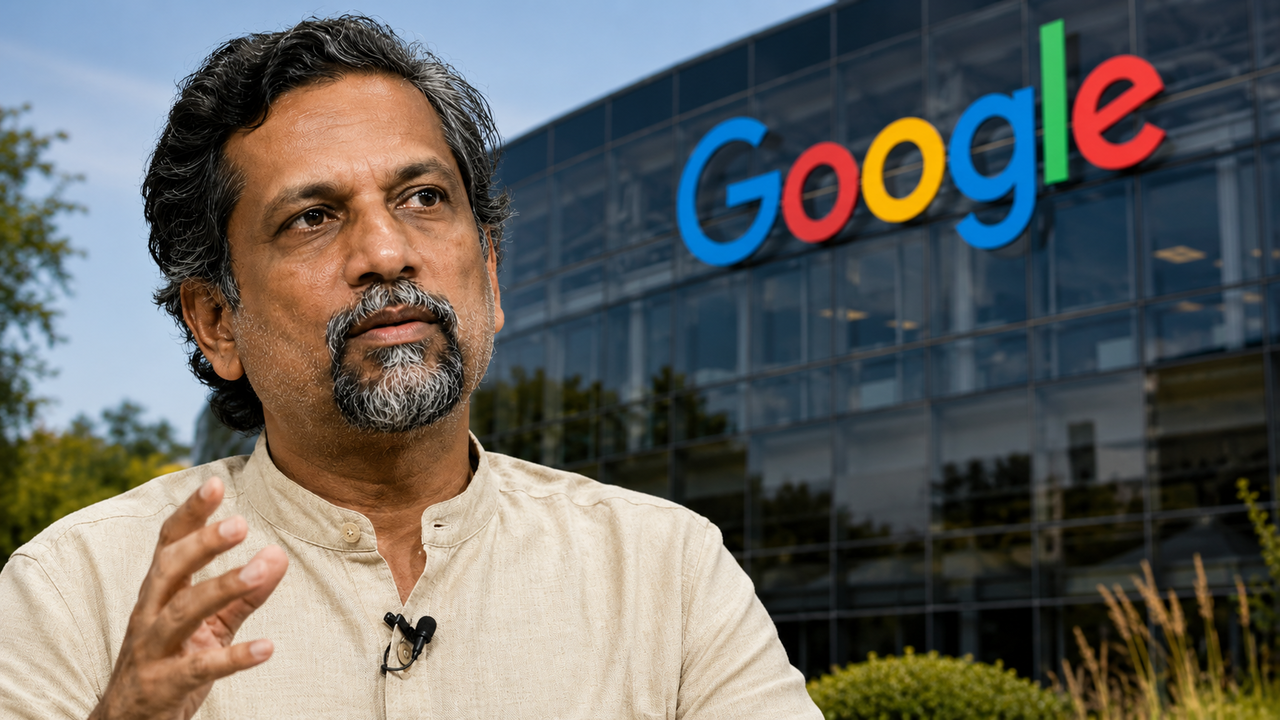
Tech giant Google is facing strong criticism in India after losing a court case related to its advertising business. This time, Zoho founder Sridhar Vembu has openly backed Zerodha co-founder Nithin Kamath and accused Google of following ‘shady business practices.’
In a post on X, Vembu said: “I am with Nithin on this. What Google was doing was completely unethical and I am glad it has been found illegal in India. They need to be held to account for these shady business practices.”
His comments came after the Delhi High Court ruled against Google in a trademark infringement case involving Hindware. The case was related to Google’s advertising platform and the use of trademarked keywords.
The Delhi High Court has ordered Google to pay damages of Rs 30 lakh.
Google lost the case because the Delhi High Court said the company was not acting as a neutral platform. Instead, it actively allowed and benefited from advertisers using Hindware’s trademark to attract customers searching for the Hindware brand.
Google Can’t Escape Liability In ‘Hindware’ Ads Case, Says Delhi HC
Hindware found that competitors like Cera and Grohe were buying the keyword ‘HINDWARE’ through Google’s ad platform. do when users searched for Hindware products, ads from rival brands appeared at the top of Google Search results.
Google argued that advertisers choose the keywords, not the company, he trademark was not visible in the ad itself and Google was only an intermediary platform.
The court said that even if a trademark is used invisibly as a keyword, it is still being used for advertising purposes. It also found that Google played an active role through its Ads system and Keyword Planner tools, rather than simply hosting ads.
This is not the first time Vembu has criticised Big Tech companies. Recently, the Zoho founder questioned the growing AI hype.
He wrote, “It does not help that companies are blaming job losses on AI, which is both convenient and as an added bonus, makes a company look visionary.” Vembu also said that layoffs are more closely connected to rising costs and economic pressure, instead of AI suddenly becoming capable enough to replace humans.
