
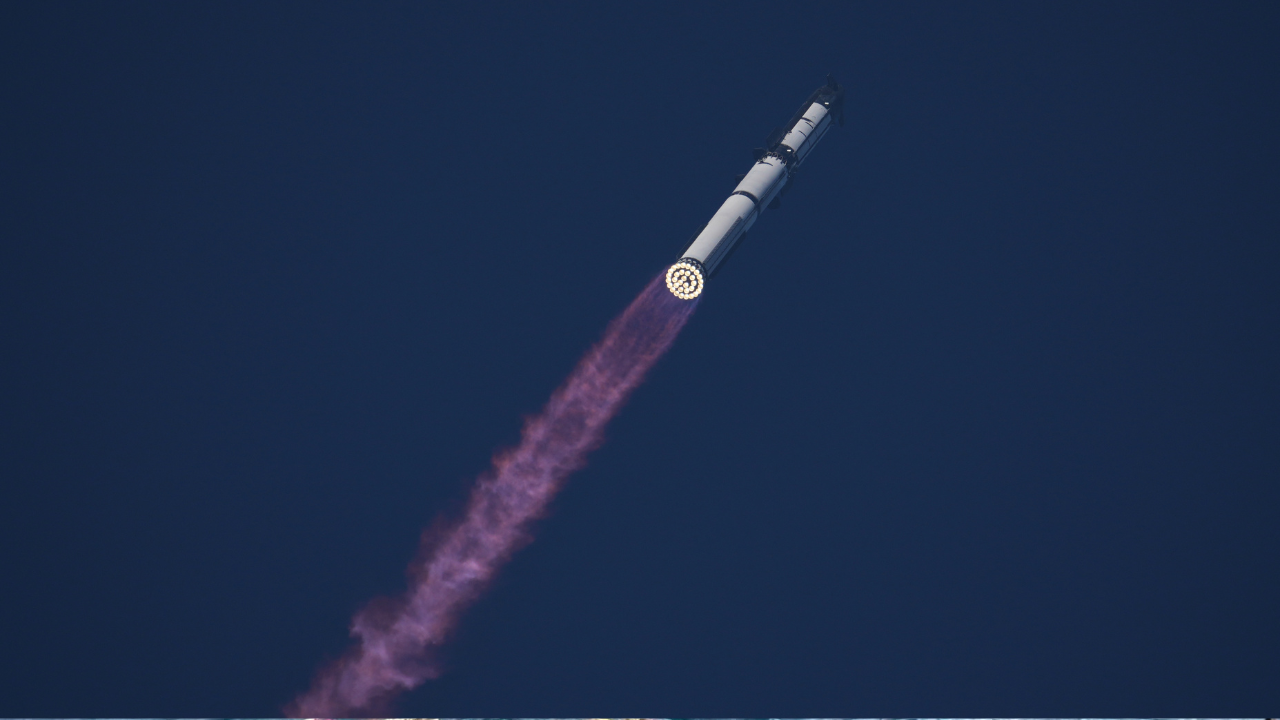
A discarded SpaceX Falcon 9 rocket stage slammed into the moon on Wednesday after drifting through space for more than a year, marking another instance of unintended lunar debris.
The 4-ton upper stage, which launched in January 2025 carrying Firefly Aerospace’s Blue Ghost and ispace’s Resilience lunar landers, struck the moon at roughly 5,400 mph (8,700 kph). Although no one directly witnessed the impact, scientists say there is little doubt the rocket reached the lunar surface as predicted.
A telescope in Chile detected what astronomers identified as a plume of debris following the crash. Boston University scientist Carl Schmidt said his team observed streams of sodium and lithium stretching for several miles for five to 10 minutes after the impact, calling the telescope evidence enough to be “100% certain” the collision occurred. Retired astrophysicist Jonathan McDowell also said observations before the crash showed the rocket heading directly toward the moon.
Why Did The SpaceX Rocket Hit The Moon?
According to SpaceX, the impact was not intentional. The Falcon 9 upper stage was left adrift after successfully sending Blue Ghost and Resilience toward the moon. A combination of solar activity and gravity gradually altered its path, placing it on an unavoidable collision course with the lunar surface.
Scientists had predicted the rocket would strike near Einstein Crater, close to the boundary between the moon’s near and far sides. NASA estimates the impact created a crater about 18 meters wide and 4 meters deep, although visual confirmation will have to wait until the Lunar Reconnaissance Orbiter photographs the site, which is expected next week.
Researchers say the event offers a rare scientific opportunity to study how a known object with a known mass, speed and trajectory interacts with the lunar surface. At the same time, several scientists warned that accidental impacts should not become routine, especially as missions to the moon increase.
The crash also highlights growing concerns over lunar litter. With NASA, China and commercial companies planning more missions to the moon, experts say preventing uncontrolled spacecraft from becoming future impact hazards will become increasingly important.
