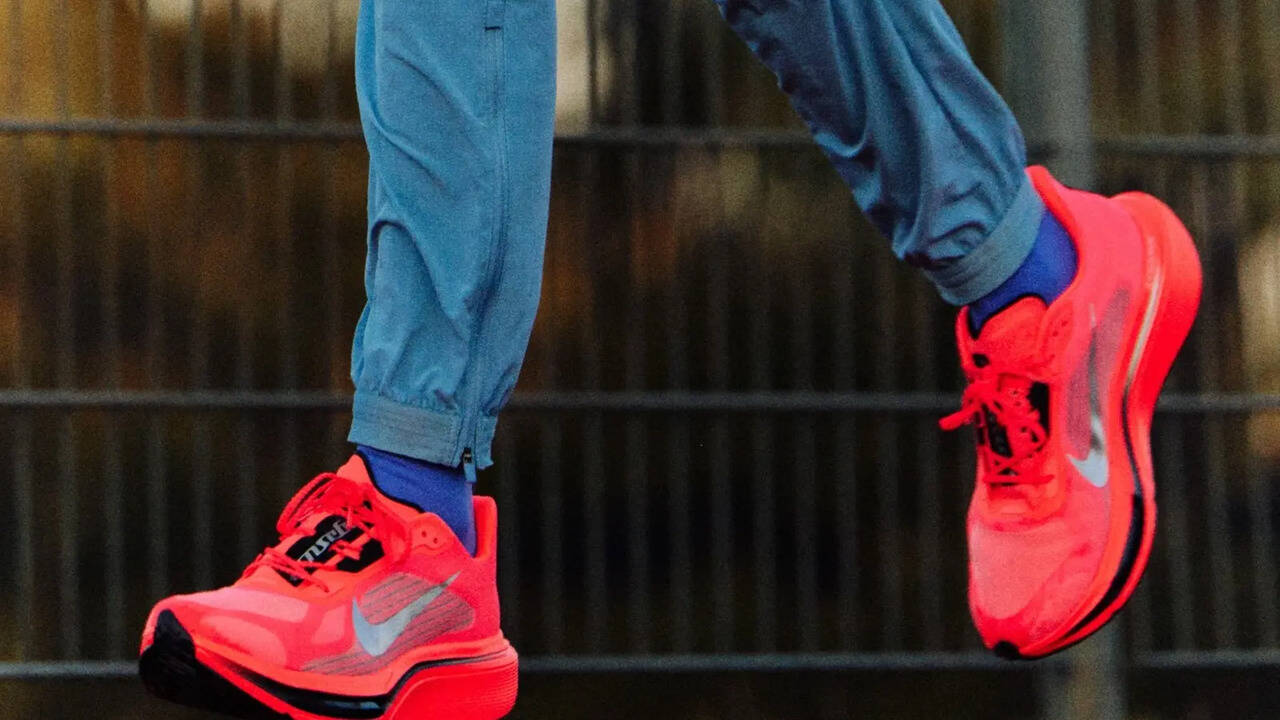
In an era where everyday athletes are as data-driven and discerning as professionals, the bridge between sportswear and cutting-edge engineering has never been crucial. Across footwear and apparel, brands are baking advanced tech directly into their gear to unlock peak performance and elevate the user experience. Nike has been at the center of this athlete-centered innovation.
In an exclusive discussion, Deepa Ramprasad, Senior Director of Nike Running Footwear, broke down the technological system driving company’s new launch — Nike Pegasus Plus 2 and provided insight into how Nike approaches footwear engineering for a modern, tech-focused running landscape.
The cornerstone of the Nike Pegasus Plus 2 is its re-engineered Air Zoom unit, which Ramprasad describes as the literal “heartbeat” and engine of the entire system.
“There are three things that we’ve really obsessed within this Air Zoom unit that was built specifically for the Nike Pegasus Plus 2. The first is letting the air breathe, or exposing the air. That’s absolutely a decision that was built by how we best optimize the function of the system. So when you let the air breathe, it’s able to compress and then rebound and be more resilient than ever before. That’s amazing.,” she said.
Deepa added that one of the other two things Nike obsessed with this unit was curving the airbag that offers for a more smooth, fluid, rhythmic transition, and a more propulsive sensation underfoot.
“And then last but certainly not least. We tuned the Air Zoom unit, so every runner is getting a consistent, energetic experience, again and again,” she said. These changes have helped Nike deliver at least 18 per cent more energy on the Pegasus Plus 2 as compared to the Nike Pegasus Plus One.
According to testing conducted with elite Nike athlete partners, the system offers high-speed optimisation while retaining the impact absorption necessary for daily high-mileage runs.
“I think the thing that we really grounded ourselves in on this product was the promise of delivering a fast tempo trainer in a way that only Nike can,” she said.
To simplify consumer selection, Nike has streamlined its core road-running footwear catalog into three primary cushioning technology silos based on underfoot feel and functional requirements. By categorising shoes under Responsive (Pegasus), Maximum Cushioning (Vomero), and Supportive (Structure), the framework allows runners to choose shoes strictly based on biomechanical preference rather than navigating confusing feature lists.
As running participation experiences explosive growth worldwide — particularly in rapidly evolving markets like India — runner literacy surrounding midsole dynamics, energy loss, and materials science has peaked.
“The runner IQ is higher than ever before. The level of discernment in what runners seek has never been more technical, more innovative, or more competitive than what we’re seeing today,” Deepa explained.
The Pegasus Plus 2 addresses this elevated demand by delivering race-day energy transmission mechanics within a daily, durable training platform, offering a seamless intersection of sports science and daily performance.