
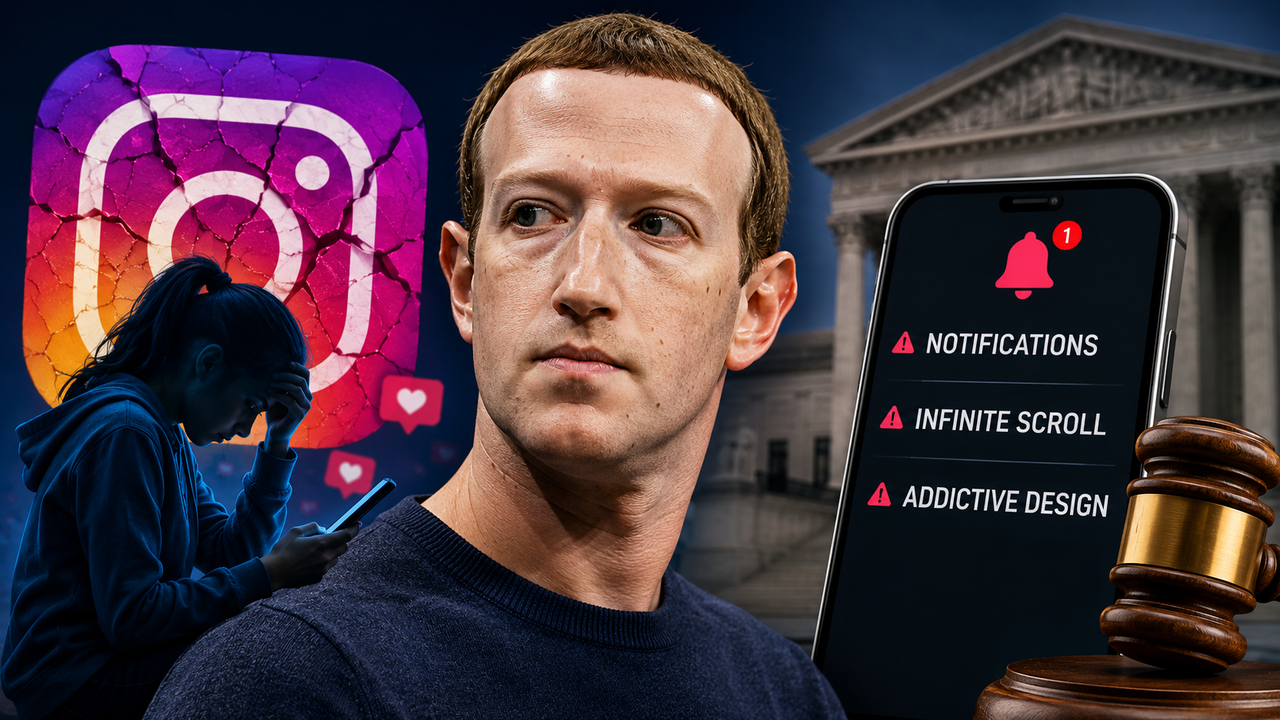
The legal trouble for Meta does not seem to end anytime soon. This time the Mark Zuckerberg-led firm is reportedly facing a major lawsuit in Tennessee over allegations of keeping teenagers hooked to the addictive Instagram usage. Now, a fresh report from Reuters claims that state attorneys have accused the company of ignoring internal findings about Instagram’s impact on teenagers while focusing on increasing user engagement and ad revenue.
Features Like Notifications and Infinite Scroll Under Scrutiny
According to the report, lawyers representing the state jurors in the Tennessee state court told that Meta’s own research had highlighted concerns about teenagers spending excessive time on Instagram. The state claimed the company was aware that certain platform features may encourage compulsive use but failed to make significant changes.
Moreover Tennessee’s lawyers alleged that Meta researchers had repeatedly raised concerns about links between heavy Instagram usage and issues such as eating disorders, depression and self-harm among young users.
Reportedly, an attorney Tom Cartmell, representing Tennessee, told the jury that the tech giant understood why Instagram was difficult for teenagers to stop using. During the hearing, Cartmell allegedly played the sound of a smartphone notification and explained how unpredictable alerts can encourage repeated checking of apps. He said, “Meta understood the brain science behind why teens find its platform so irresistible.”
Notably, the lawyer also presented an internal Meta document from 2017 in which product managers reportedly acknowledged that some features may conflict with user well-being.
This document allegedly stated that features such as notifications and infinite scroll “are inherently at odds with well-being” and suggested that the company should warn the public about these concerns. Cartmell told jurors, “This warning never came.”
The Tennessee trial is part of a larger legal fight involving social media platforms across the US. Almost every state has filed claims against Meta over allegations that its platforms negatively affect children and teenagers.
Earlier this year, a New Mexico jury also found Meta liable in a separate case and ordered the company to pay $375 million. Courts are still considering additional penalties and possible changes to Meta’s platforms.
