
Apple has announced a set of new accessibility features powered by Apple Intelligence. The upcoming features are designed to help users across iPhone, iPad, Mac, and Apple Vision Pro, especially those who are blind, have low vision, hearing loss, or mobility challenges.
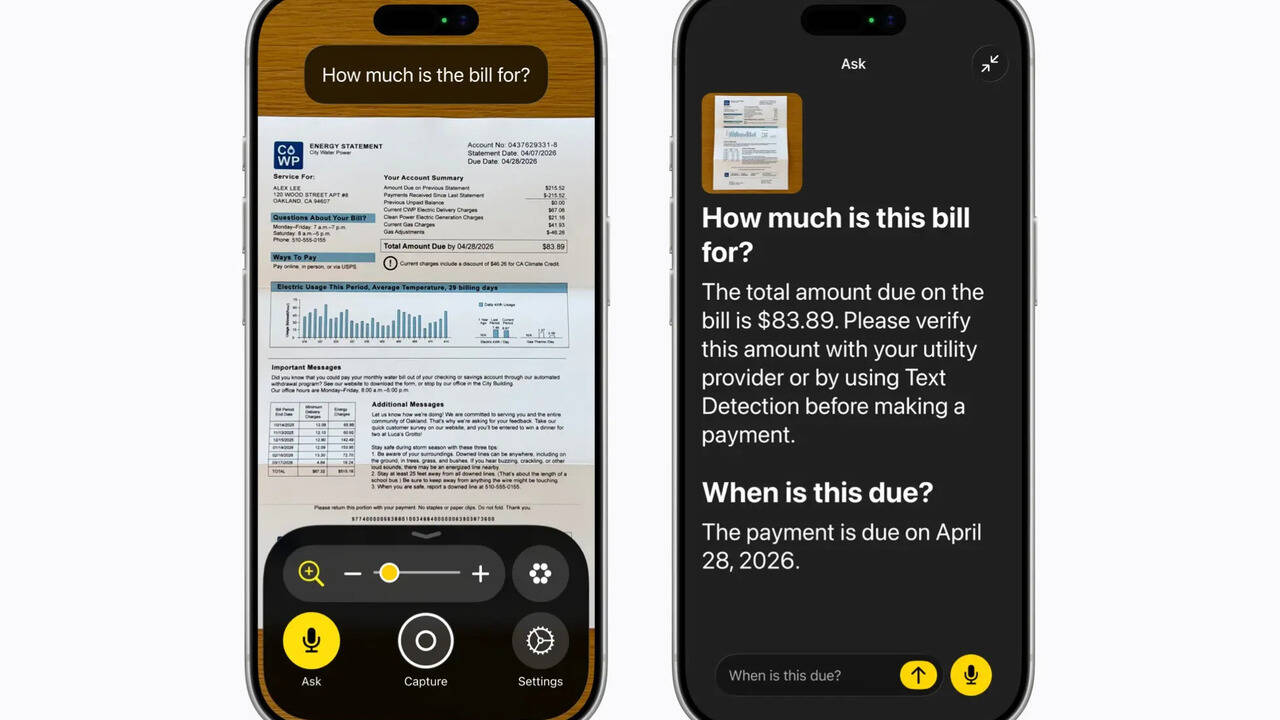
One of the biggest upgrades is coming to VoiceOver and Magnifier. With Apple Intelligence, these tools will be able to provide more detailed descriptions of images, documents and objects around the user. For example, a blind user can point their iPhone camera at a bill or document and ask follow-up questions to better understand what is on screen.
Voice Control is also getting smarter. Users will be able to navigate apps using natural language commands like ‘tap the purple folder’ or ‘open the guide about restaurants,’ instead of remembering exact button names.
Apple Officially Shares WWDC 2026 Invite, Opening Keynote Set For June 8
Apple is also introducing generated subtitles for videos that do not already have captions. This means personal videos, social media clips and other uncaptioned content can automatically show subtitles across iPhone, iPad, Mac, Apple TV and Vision Pro. The processing happens on-device, so user privacy remains protected.
Another standout feature is for Apple Vision Pro. The headset will allow some users to control compatible powered wheelchairs using only their eyes. This feature will initially support select wheelchair systems in the US.
Accessibility Reader is also getting better. It can now summarise complex articles, translate text into different languages and preserve customised fonts and colours for easier reading.
Alongside these software updates, Apple has made the Hikawa Grip & Stand for iPhone available globally. The MagSafe accessory will help users with limited grip strength hold their iPhone more comfortably.
The iPhone-maker says these accessibility updates will be available later this year.
“Apple’s approach to accessibility is unlike any other. Now, with Apple Intelligence, we are bringing powerful new capabilities into our accessibility features while maintaining our foundational commitment to privacy by design,” Tim Cook, Apple’s CEO, said.
